ADSS Mobile Trader
Overview
I was the Lead Product and UX Designer for ADSS’s new flagship retail trading platform. Delivered by Adaptive Financial Consulting, ADSS’s long-term strategic and technology partner, the engagement spanned more than two years
I joined at the earliest stages, working closely with Ed Clayforth-Carr, Adaptive’s Head of Experience, who led much of the initial discovery and strategic direction
Building on that foundation, I led the product design through to delivery across both mobile and desktop -covering UX, interaction and visual design. As the platform evolved, additional designers joined to support smaller features and ongoing enhancements
Deliverables
Discovery and strategy collaboration
End-to-end product design
UX, interaction and visual design
Design system and delivery
The Challenge
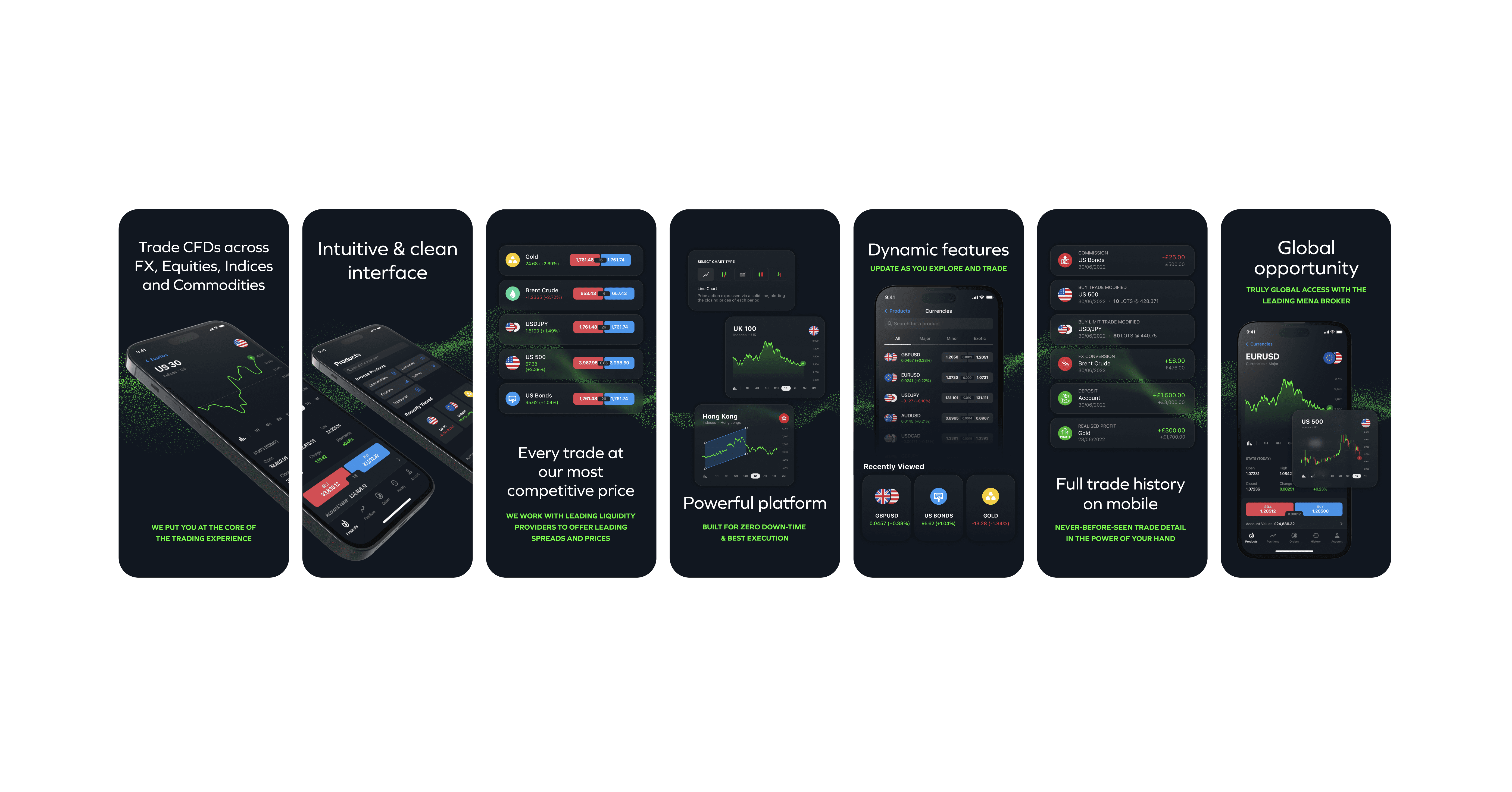
ADSS serves a diverse audience, from newer retail traders to experienced investors managing complex, high-volume activity
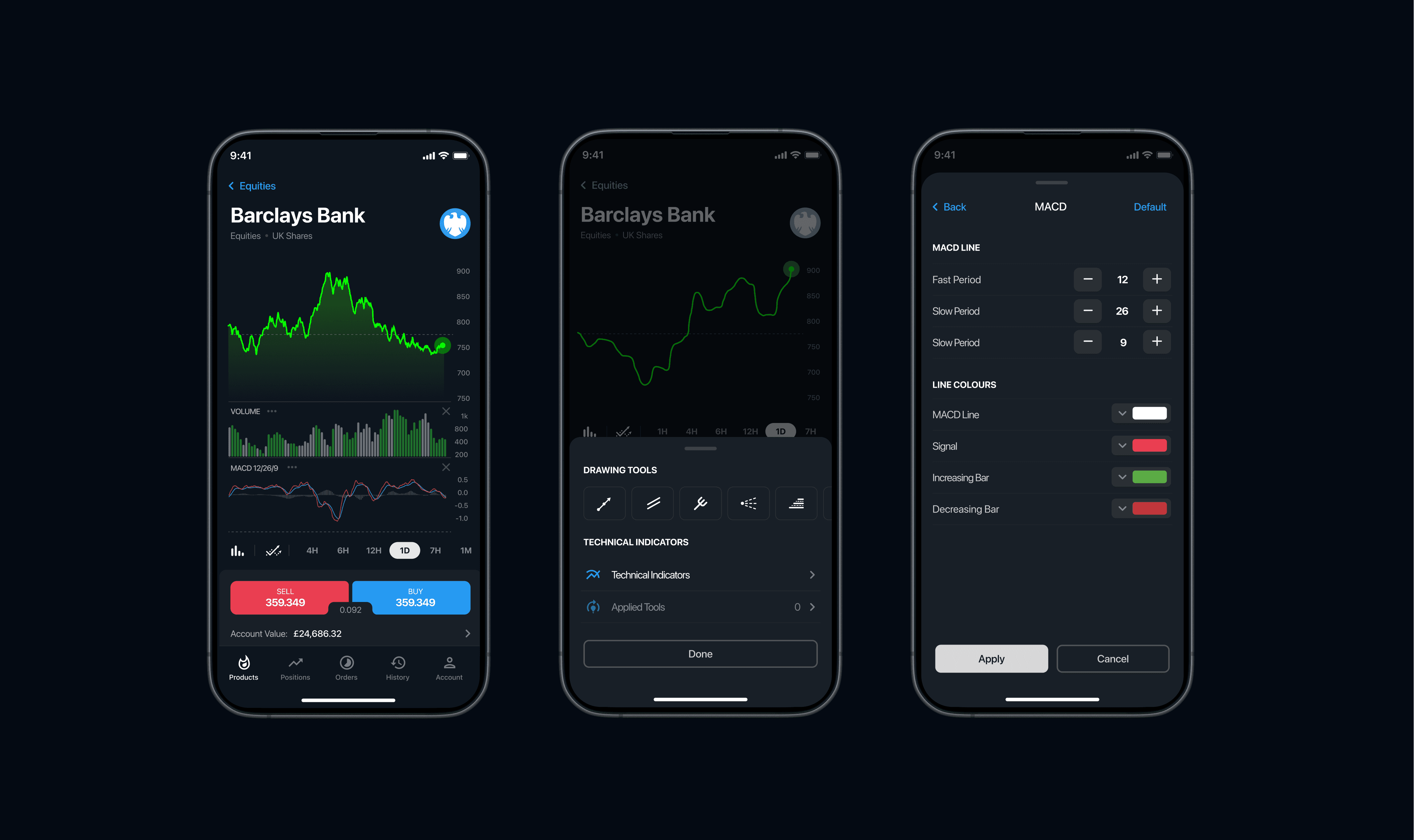
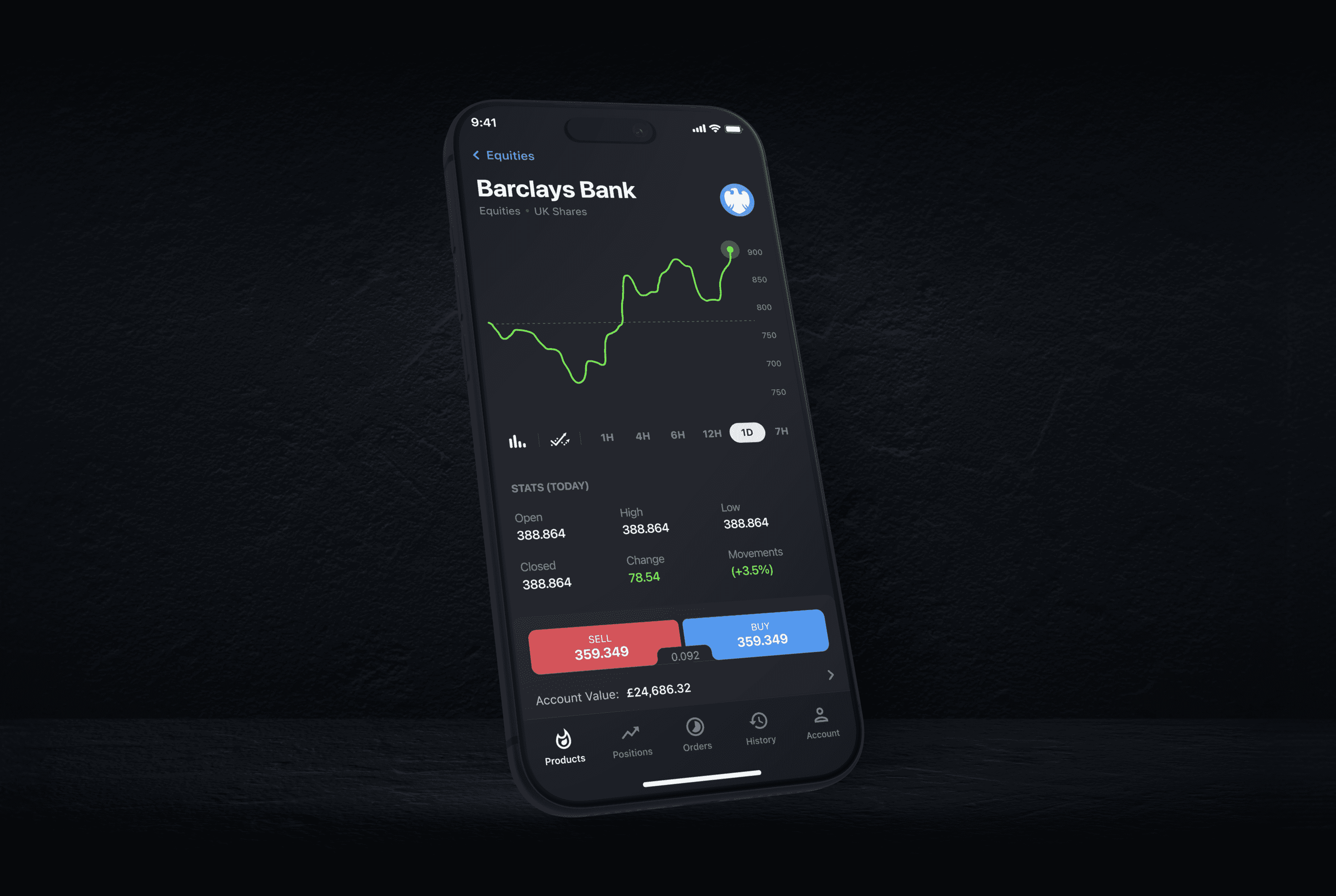
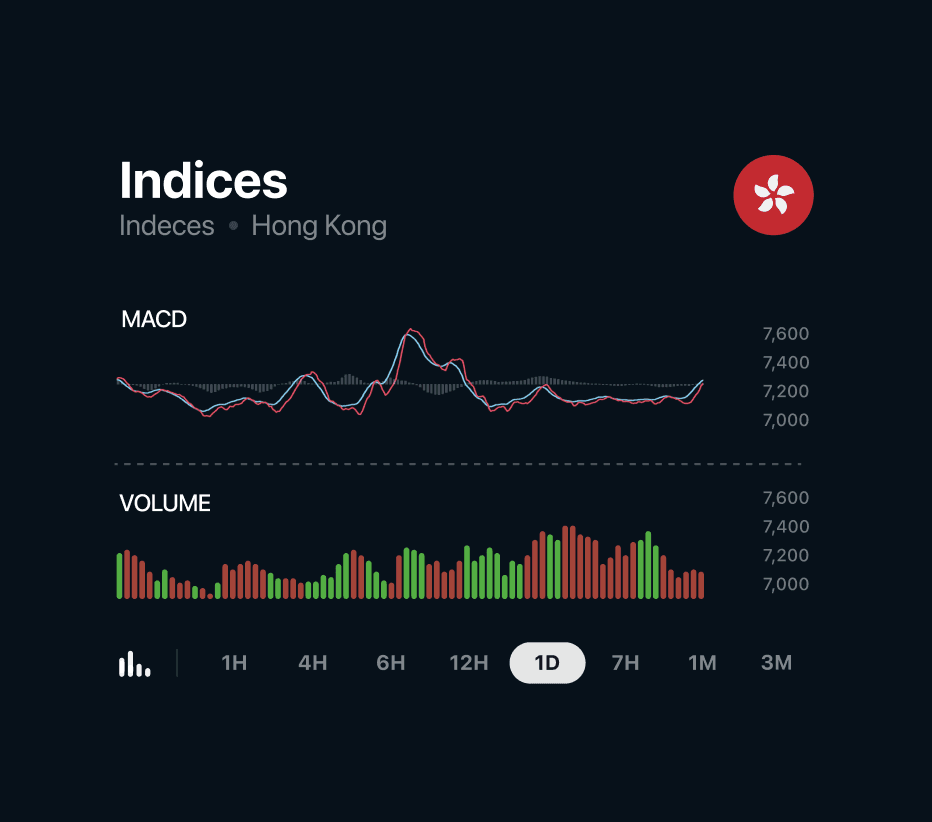
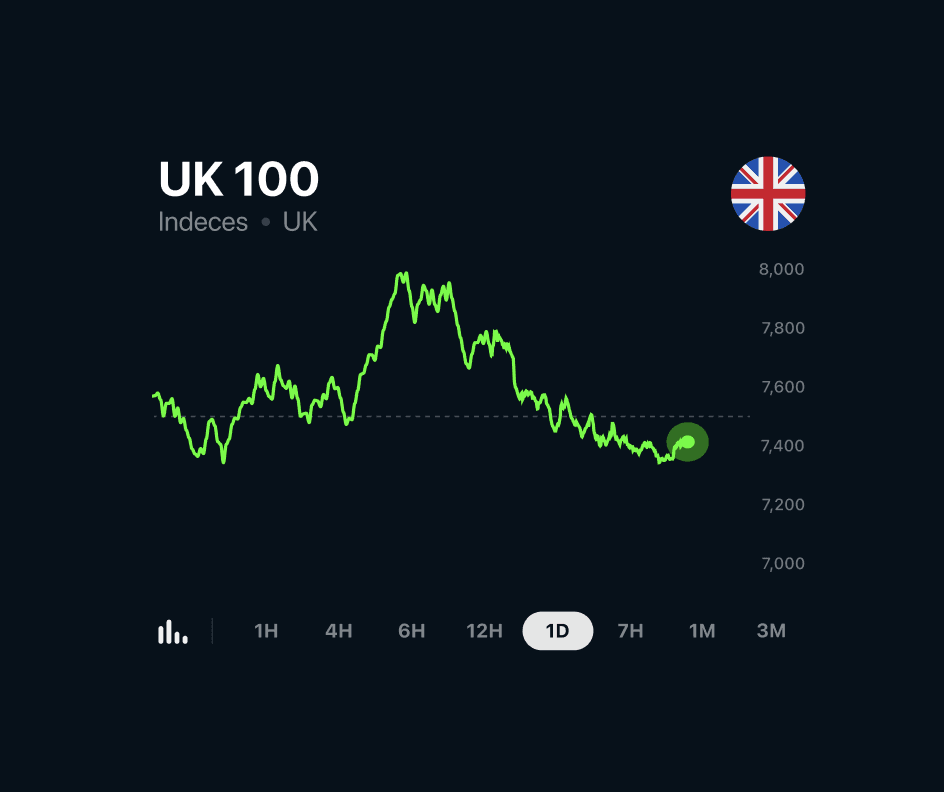
The challenge was to create a mobile experience that felt clear and approachable without limiting the depth, efficiency and control expected by advanced traders. Sophisticated capabilities—including advanced charting, configurable technical studies and precise drawing tools—needed to work naturally on a small touchscreen
How might we make professional trading tools feel intuitive on mobile without reducing their power or overwhelming the user?
Goals
For users, the platform needed to make trading feel clear and dependable, reduce unnecessary cognitive load and provide tools appropriate to different levels of experience. It also needed to create continuity between mobile and desktop without treating one platform as a scaled version of the other
For the business, the product needed to differentiate ADSS in a competitive market, give the organisation greater ownership of its technology and provide a scalable foundation for future features and asset classes
Balancing usability, performance and scalability became the central design challenge throughout the programme
Discovery and strategic direction
Much of the initial discovery and strategic framing was led by Ed Clayforth-Carr, Adaptive’s Head of Experience. I worked closely with Ed, ADSS stakeholders, users and Adaptive’s engineering teams to understand trader expectations, commercial priorities and the technical constraints of the emerging platform
The work included competitor analysis, user interviews across different experience levels and continuous collaboration with product and technology stakeholders. The research showed that many trading platforms introduce complexity too early while still failing to support expert workflows effectively
My role was to translate these insights and the wider strategic direction into a coherent product experience. This led to an approach centred on progressive disclosure, confidence at critical moments, cross-device continuity and performance as an essential part of the user experience
Design principles
Several principles guided the work:
Reveal complexity progressively
Give newer traders a clear starting point while keeping advanced controls readily available
Design for confidence
Make prices, actions, risks and system feedback easy to understand at critical moments
Treat performance as part of the experience
In trading, responsiveness and perceived reliability directly affect trust
Create continuity across devices
Maintain a recognisable product language while designing interactions appropriate to each platform
From strategy to delivery
Building on the discovery and strategic direction, I led the experience from early concepts and flow mapping through to wireframes, interaction models, visual design and high-fidelity prototypes
The underlying technology was being developed in parallel, so the design evolved continuously alongside changing system capabilities and constraints. Regular validation with users, stakeholder reviews and close collaboration with engineering helped us test assumptions early and maintain a coherent, production-ready experience through delivery
Although I led the core mobile and desktop product design, additional designers joined later in the programme to support smaller features and ongoing enhancements.
Recognition
The mobile trading experience received industry recognition, including:
Best Forex Broker
Best Trading
App 2024
Most Trusted Forex Broker
Forex Expo Dubai - Best Trading App 2024
GBM Awards - Best Mobile Trading App 2023
Dribbble
Financial Innovation Awards 2017
x4
Banking Technology Awards 2017
IT World Awards 2018
GBM Awards - Best Mobile Trading App 2023
GBM Awards - Best Mobile Trading App 2023
Key mobile design decisions
Professional charting on a small screen
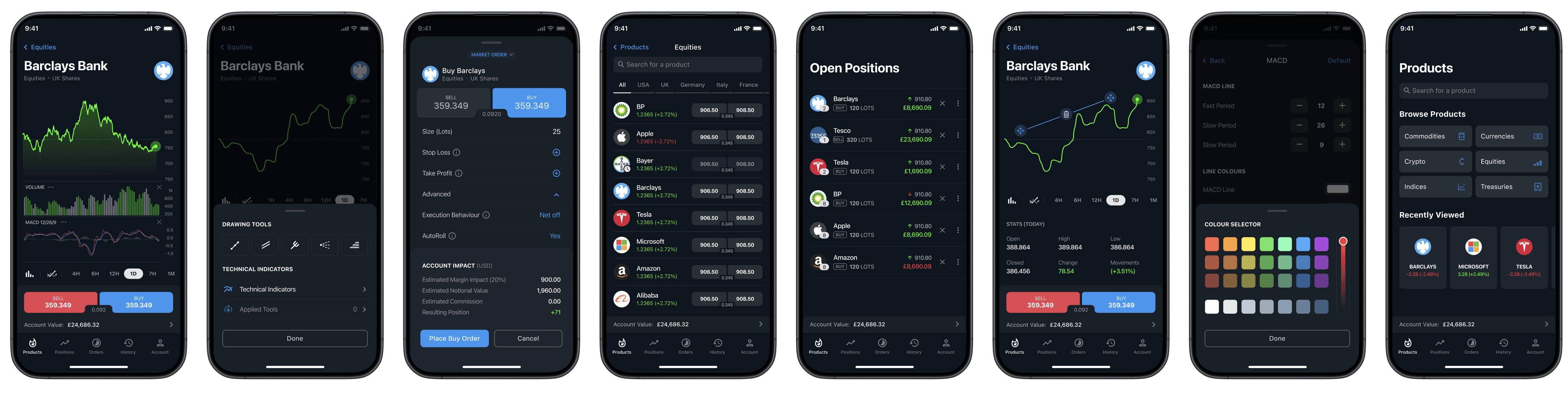
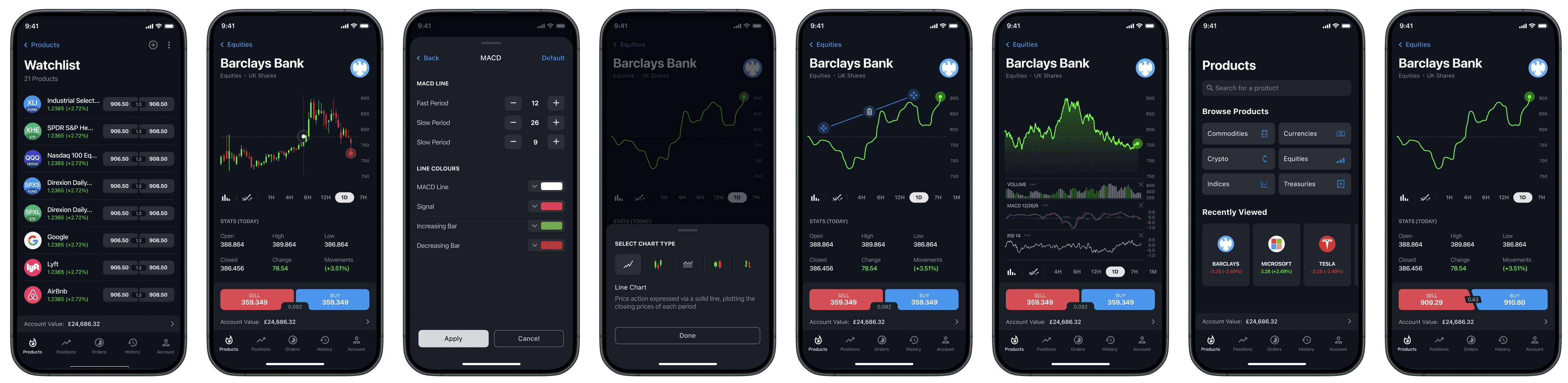
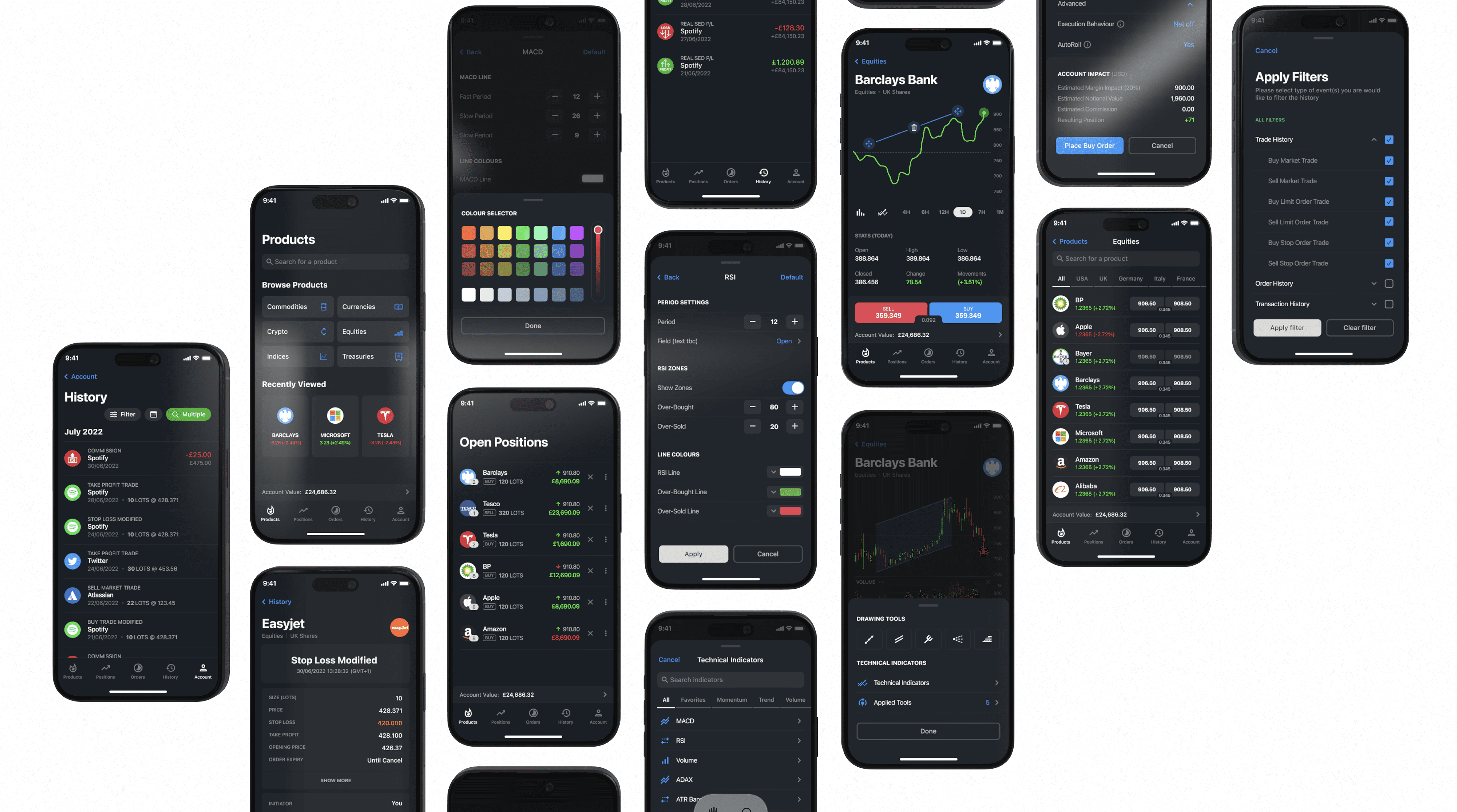
Advanced charting was one of the most demanding parts of the mobile experience. Traders needed to inspect price movements, apply and configure technical studies and draw directly onto charts - all within the physical constraints of a touchscreen
Rather than displaying every control at once, I organised the experience around the trader’s immediate task. Essential information remained visible, while specialist tools and configuration options were revealed progressively when required
Supporting different levels of experience
The goal was not to simplify the product by removing advanced functionality. Instead, I designed the interface to reveal depth at the moment it became relevant
Primary actions were kept clear and immediately accessible, while specialist controls remained available without dominating the experience. This allowed newer traders to orient themselves quickly while giving experienced users access to the precision they expected
Continuity across mobile and desktop
Mobile and desktop shared the same product language, but they were not treated as scaled versions of one another
Common terminology, visual patterns and behaviours created familiarity across platforms, while navigation, information density and interactions were adapted to the strengths of each device
Design system
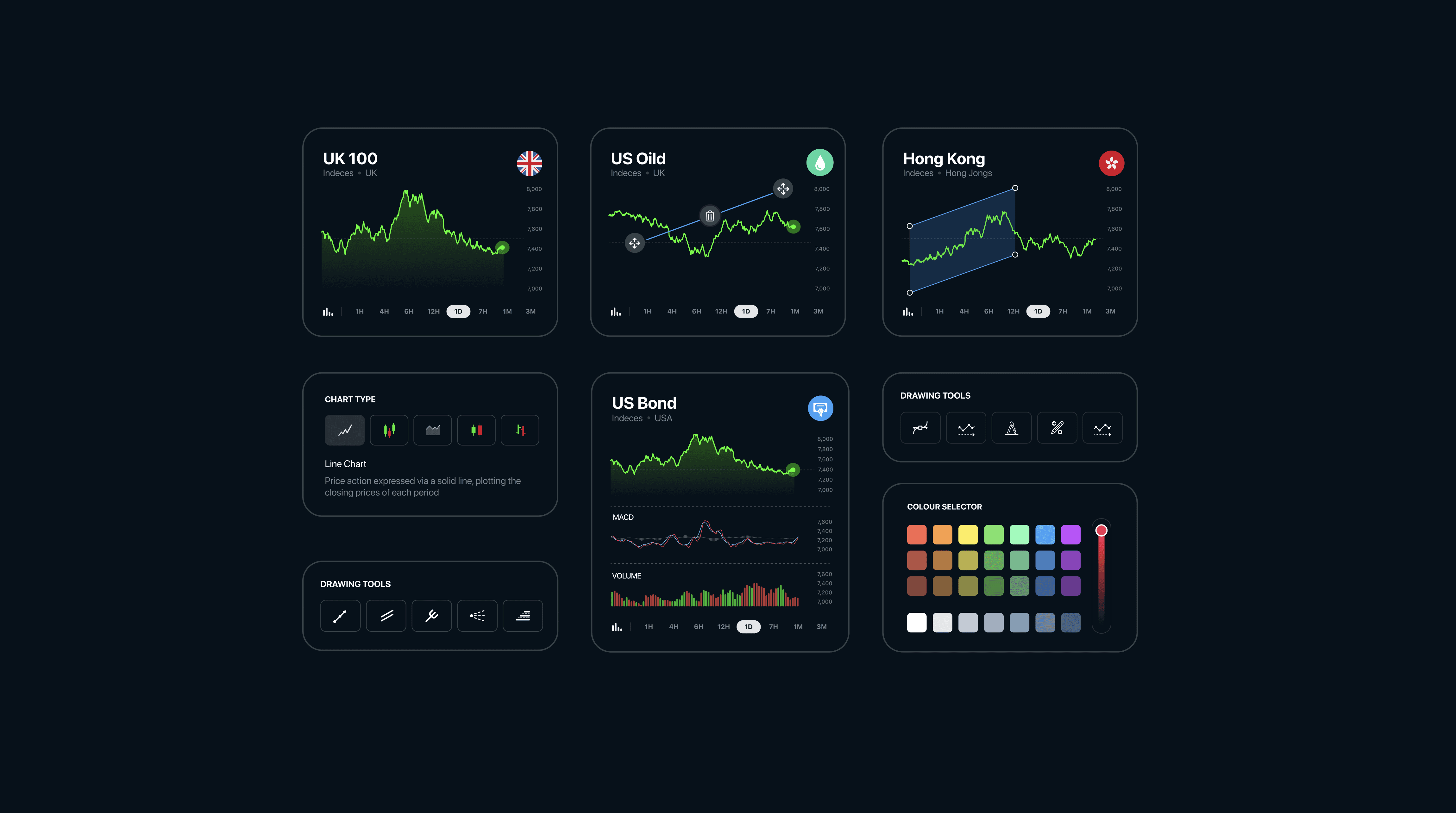
A shared design system established a consistent visual and interaction language across the mobile and desktop products. It helped the team respond to changing requirements, introduce new functionality and maintain quality as the product and design team expanded
The system covered reusable components, interaction states, data visualisation patterns and platform-specific behaviours, creating consistency without forcing mobile and desktop into identical layouts